
Our science
The quiet science of a personal scent.
Perfume is chemistry experienced as emotion. Here is how we connect the two — and where the art still matters most.
01Aromatic molecules
Every scent is a structure.
What we perceive as a scent is the result of volatile molecules reaching receptors in the nose. Each material — a citrus oil, a resin, a musk — contributes its own molecules, with its own character and its own rate of evaporation.
Lighter molecules rise first and fade quickly; heavier ones emerge slowly and stay longer. Perfumers arrange these into a structure of top, heart and base notes so that a fragrance unfolds over time rather than all at once.
02The families
A shared vocabulary of scent.
Fragrance families group materials with a related character. Your profile is expressed as a balance between them — rarely just one.

Fresh & Citrus
Sparkling citrus peel, sea air and green tea — energy in a breath.

Floral
From dewy petals to powdery iris — the most expressive family in perfumery.

Aromatic
Lavender, sage and rosemary — the clarity of a Mediterranean hillside.
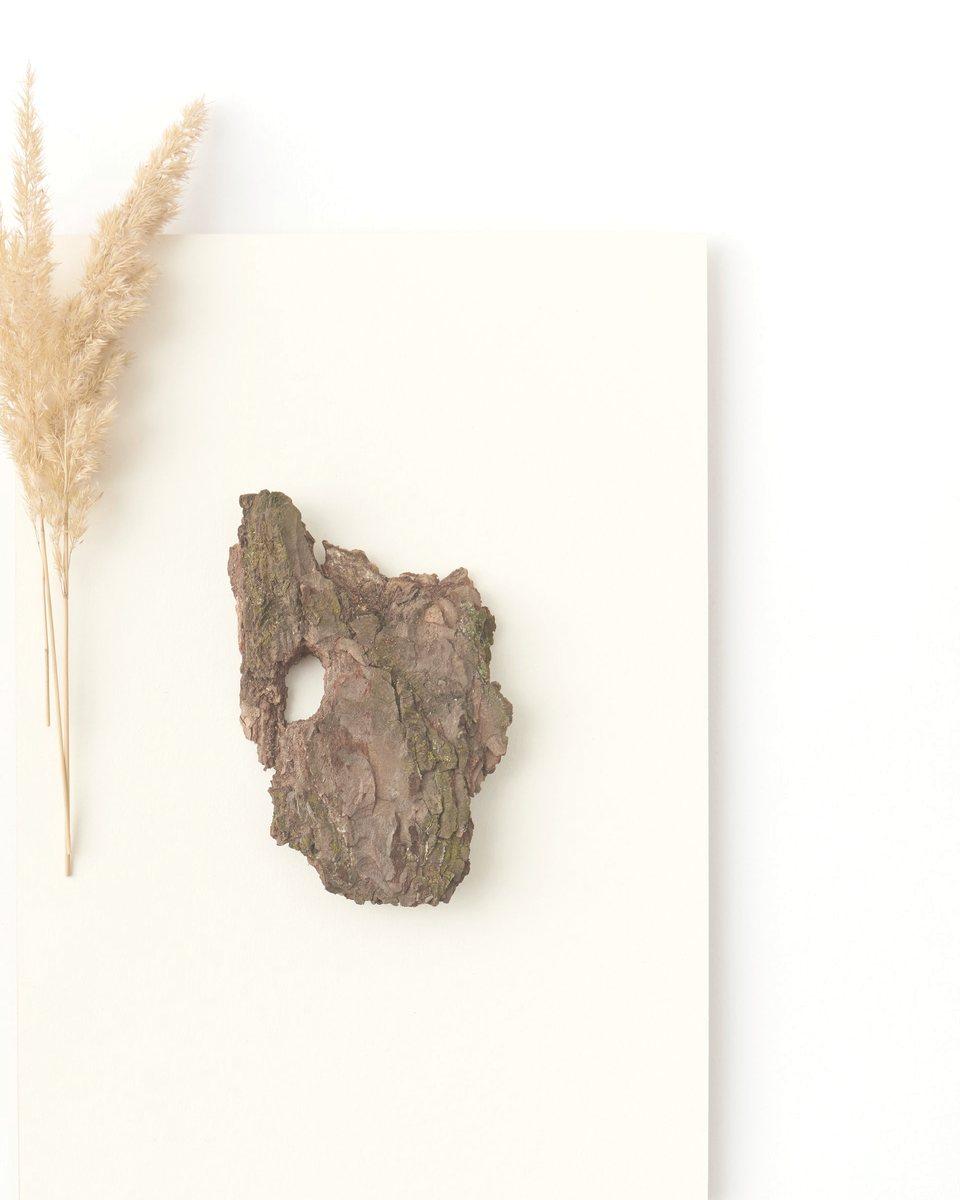
Woody
Cedar, sandalwood and vetiver — the quiet architecture of a fragrance.
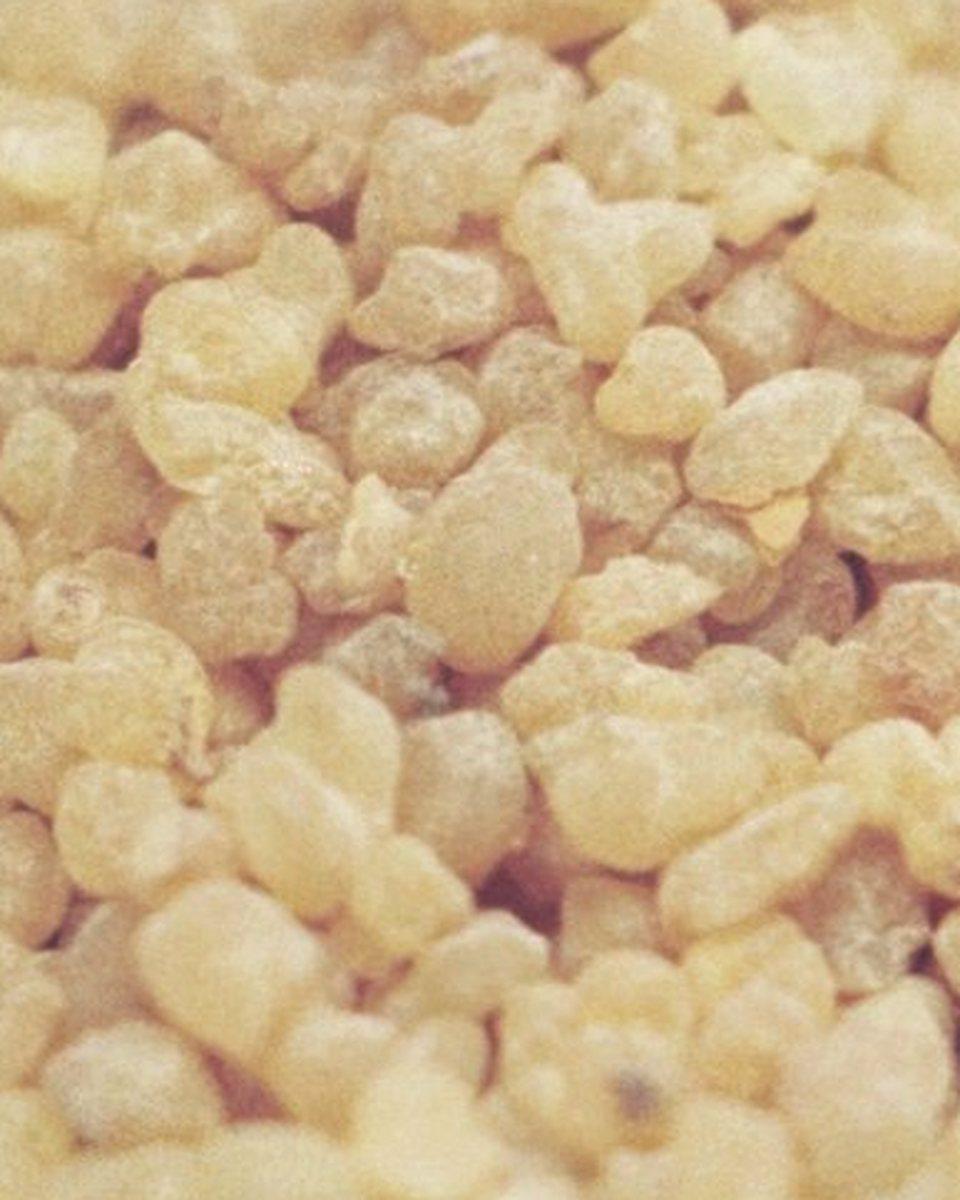
Amber & Oriental
Golden resins, spices and soft balsams that glow on the skin.

Gourmand
Vanilla, tonka and cacao — warmth with a little indulgence.

Musky
Clean, velvety musks that feel like your own skin, only better.
03From preference to formula
A process built in stages — and honest about each one.
Our long-term system combines an AI interpretation layer with rule-based formulation and strict validation. Today, the website runs a preview engine that produces illustrative concepts. Production formulation will only ever use validated data.
- 1.
Listening
LiveYour consultation answers — personality, desired feeling, scent world, intensity, setting, season, memories, loves and dislikes — form a creative brief.
- 2.
Interpreting
PreviewThe brief is translated into a fragrance profile: a balance of families, an emotional direction and a level of projection.
- 3.
Mapping
PreviewThat profile is matched against a curated library of approved aromatic ingredients, organised into top, heart and base.
- 4.
Validating
In developmentBefore anything is made, a proposed composition must pass checks for ingredient compatibility, concentration limits and production constraints.
- 5.
Making
In developmentA validated formula is prepared for production, filled into your bottle and finished with your label.
04What we will — and won't — claim
- We willtranslate your stated preferences into a fragrance direction you can explore and refine.
- We willexplain your fragrance through its families, character and notes.
- We won'tclaim to measure your personality, or that AI can smell you.
- We won'tshow unvalidated formulas, ingredient ratios or safety claims.
BottledFor.Me — Eau de You.
Ready to meet your scent?
Around four minutes. Nine questions. One fragrance that could only be yours.